
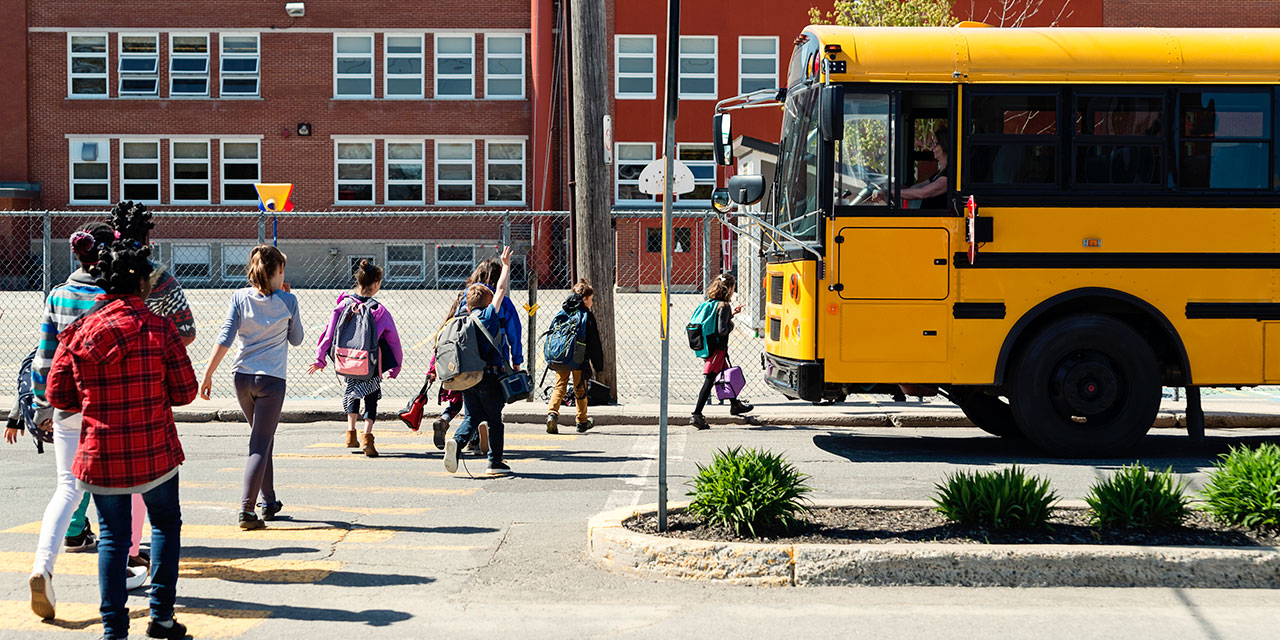
After delays, lawsuits, and bipartisan pressure, educational formula funds will be released, offering much-needed relief to worried school districts and parents.

As another school year looms, ongoing delays in educational funding have sparked nationwide anxiety, leaving school administrators facing deep uncertainty. Only after mounting bipartisan pressure, including a forceful letter from 10 Senate Republicans and two lawsuits from Democratic leaders across 24 states, has the Trump administration reversed its course, announcing the long-anticipated release of $5.5 billion in frozen educational funds aimed at supporting low-income districts and their most vulnerable students.
Expectation and The Countdown to July 1
The day was June 30, just a day before the deadline (July 1) for the release of educational formula funds under the fiscal year 2025 Full-Year Continuing Resolution Act, which had been signed by President Trump earlier. Schools were set to receive budget funds for educational programs, especially those supporting students whose parents are involved in initiatives aiding their educational journey.
As the majority of the fiscal year’s $6.8 billion allotment, representing 14% of all federal K–12 education funds, would be included in this funding, this money was highly anticipated.
For one, this money is used to recruit and train teachers, especially in areas where qualified and competent teachers are more scarce. Moreover, funds for arts and music education in these districts, extra help for children learning English, and support for children of migrant farmworkers are affected.
The Unexpected Reality
However, instead of being met with money, schools received none, putting schools across the nation in jeopardy. Money for teacher training and help for children learning English ceased to exist. Instead, states received an underwhelming message from the Department of Education that they would not receive the money they had looked forward to for months.
The sudden delay of this funding, according to the Trump administration, was due to investigations into “grossly misused” federal spending. Trump argued that the use of funds, like the $5.5 billion he withheld, warranted review since it “subsidize[d] a radical left-wing agenda.”
The Public’s Reaction
Similar to the public’s reaction to Trump’s goals of getting rid of the Department of Education, Trump’s decision to stall education formula funds that states had so heavily anticipated resulted in chaos among school administrators, who were forced to confront weakened funding for incoming students.
Many feared that stalled federal funding would leave classrooms without critical resources, prompting backlash within Trump’s own party (The Republican Party).
Taking Action Against Freezing Funds
Sen. Susan Collins of Maine was one of the 10 Republican senators who sent a rare letter to the director of the White House Office of Management and Budget, Russell Vought, fighting for the release of funds.
Her advocacy stemmed from the fact that a pause in the release of these funds risked the loss of nearly $28 million for Maine’s public schools. According to Educate Maine, approximately 45% of Maine’s public school students are considered economically disadvantaged; therefore, these funds would be critical in order to provide for these students who rely on this funding.
In talking about the significance of formula funds on Maine’s education, Collins said, “These formula funds are essential to the operation of Maine’s public schools, supporting everything from classroom instruction to adult education.” Moreover, she emphasized that the immediate release of funds would help schools have “adequate time to plan their finances for the upcoming school year, allowing students to arrive back at class this fall at properly funded schools.”
Lawmakers from both parties joined Collins in urging the release of the funds, as districts across the country faced growing strain. In response to the escalating crisis, more than 200 superintendents from across the nation traveled to Capitol Hill last week to meet with legislators about the urgent funding issue, according to AASA, the School Superintendents Association.
It isn’t often that both parties work on a letter, so such a rare bipartisan moment, among increasing polarization in our country, demonstrates the cruciality of this funding for the American people. After the announcement was made that funds would not be received on the previously stated deadline, Trump’s approval rating hit a second-term low at just 37% six months into his inauguration, according to Gallup polling.
Why These Funds Were Necessary
For some, the release of these funds offers a glimmer of hope for the future of education, especially after President Trump’s vocal support for cutting the Department of Education. With millions of education-related jobs at risk and essential funding in jeopardy, the release of $5.5 billion is a significant development for schools in the weeks ahead.
For instance, in the letter to Vought, legislators argued that withholding money worked against President Trump’s goal of returning K–12 education to the states. Since funding goes directly to states and school districts, where local leaders decide how this funding is spent, withholding this funding denies communities the opportunity to pursue more localized initiatives, like after-school programs, to support students and their families.
Like Boys & Girls Club and the YMCA, local after-school programs allow children to be children, giving them opportunities in athletics and arts that normally aren’t accessible to low-income communities due to rising costs.
According to Kate Bartlett, a superintendent in Lake County, Colorado, the release of the after-school money was thus a “huge sigh of relief.” Like many at the time, Bartlett had been worried about funding and started to make plans to scale back on the after-school program running in her rural district. Many parents in her community commute over an hour to work in resort towns like Aspen and Breckenridge, making after-school care difficult. As a result, local programs have become essential, offering parents peace of mind by providing their children with nutritious meals and a safe, supervised environment.
The funding freeze impacted not only K–12 education but also put workforce development programs at risk. These programs give adult learners who have faced tremendous adversity, whether due to caregiving responsibilities or financial need, a second chance in life. Many participants seek to gain employment skills, earn workforce certifications, or transition into postsecondary education. Reducing access to such opportunities places additional barriers on populations striving for economic mobility and educational advancement.
The letter and lawsuits, paired alongside various discussions made by superintendents worried about their districts’ students, helped decide to unfreeze spending. If it weren’t for this bipartisan backlash against the Trump administration, thousands of programs across the country would make family situations difficult, whether it be transportation issues for children with working parents or workforce development skills.
In representing the voice of over 200 school districts, AASA Executive Director David R. Schuler said, “Districts should not be in this impossible position… the remaining funds must be released immediately.”
What’s Next?
As the president’s approval rating nears an all-time low and schools prepare to reopen, the future of education feels uncertain. In fact, White House’s proposed 2026 budget not only cuts educational funding but also reduces the amount allocated to states.
Education has long been a cornerstone of American identity and a privilege many around the world can only dream of. Yet, the ongoing delay in funding raises a critical question: What will the future of education look like for the United States?

Leave a Reply